
Choosing the Best Generic or Brand-Name Cancer Medicine (What Matters Most in 2026)

A cancer diagnosis can make every choice feel heavy, even the ones that look "simple" on paper. The question of generic medicine versus brand-name is one of those. People worry about safety, results, and whether a switch will change how they feel.
In many cases, the answer comes down to three things: proof, access, and cost. A brand-name drug is the original product made by the company that developed it. A generic is a later version that matches the same active ingredient, strength, and quality standards when an approved generic exists.
Many patients also look for Cancer medicines online because it can save time, reduce pharmacy trips, and sometimes lower the price. Still, it only makes sense if the pharmacy requires a valid prescription, protects privacy, and offers a real pharmacist review.
If you're trying to decide what's "best," this guide will help you compare options, understand common examples, and know what to ask your oncology team. For a clear, patient-friendly primer on how brand and generic drugs compare, see UVA Health's brand vs. generic guide.
What "generic" really means in cancer care, and when it's a smart choice
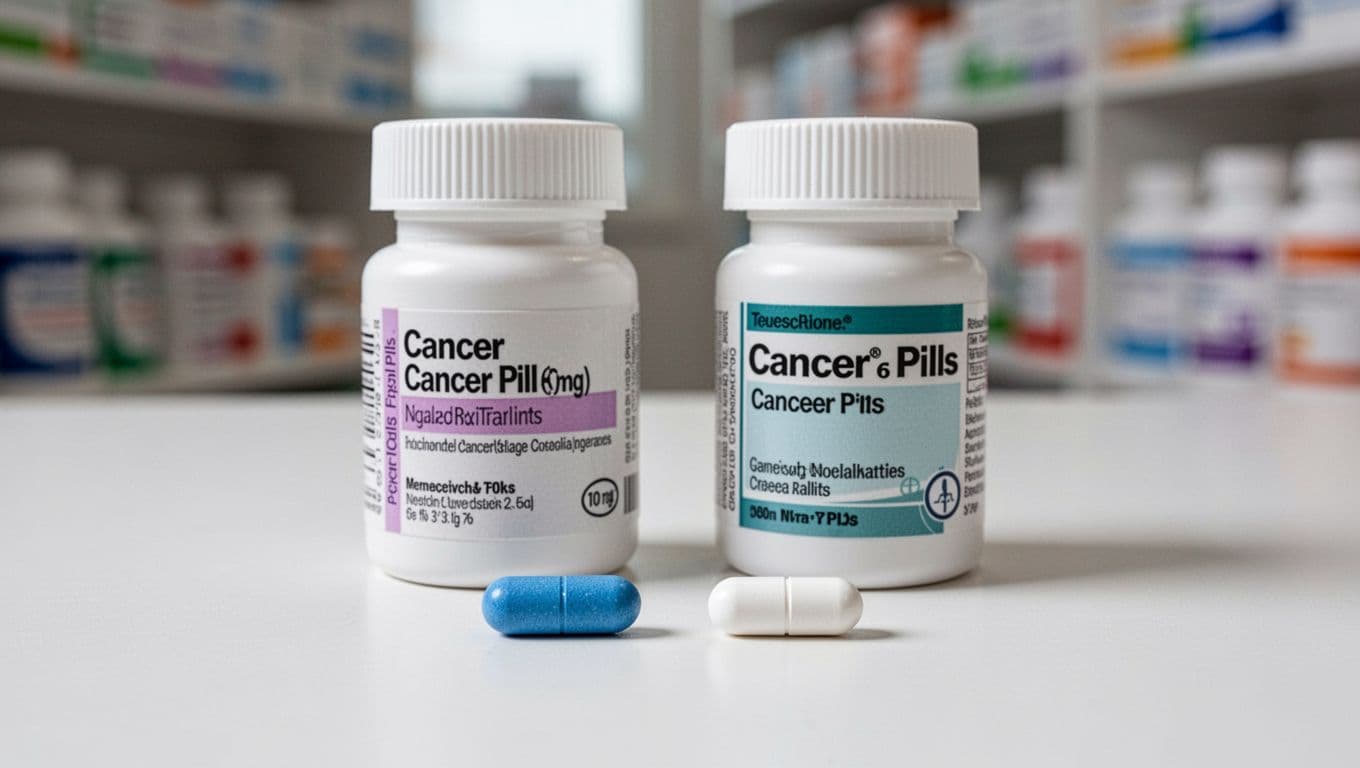 Two comparable medicines side by side, showing how generics and brands can look different while aiming for the same treatment goal, created with AI.
A good generic isn't a "close enough" copy. When a true generic is available, it's made to deliver the same active ingredient at the same strength, and it's expected to perform the same way in the body within an accepted range. What often changes is the outside: the pill might look different, and the inactive ingredients (fillers, binders, dyes) may not match.
In cancer care, generics can be a practical win because treatment can stretch for months or years. Many long-used chemotherapy drugs are generic and still form the backbone of major treatment plans. The same is true for many supportive medications used alongside chemo, such as nausea control, infection prevention, or pain relief.
Here's a simple way to think about it:
| Option | What it is | Where it often fits in cancer care |
|---|---|---|
| Brand-name | Original product | Common for newer targeted therapies and immunotherapies |
| Generic | Same active ingredient and strength | Common for many established chemo and long-term oral therapies |
| Biosimilar | "Highly similar" version of a biologic (not a pill copy) | Common for certain injected cancer and supportive-care drugs |
The takeaway: generic and biosimilar are both cost-lowering paths, but they're not the same thing.
Safety and effectiveness, what should match, and what can be different
For an approved generic, the parts that should match are the ones that matter most: active ingredient, dose, route (pill, capsule, injection), and expected effect. In other words, it should treat the same condition the same way when taken as directed.
On the other hand, a few things can vary without changing the goal of treatment:
- The pill's color, shape, and imprint
- Inactive ingredients, such as lactose, certain dyes, or other fillers
- Packaging and the manufacturer
Those differences usually don't matter. However, if you've had reactions to dyes or certain fillers before, bring it up early. Your pharmacist can check the ingredient list, and your oncology team can help decide whether to stay with one manufacturer for consistency.
If you want an example of a common oncology targeted therapy available as a generic option through an online pharmacy, see generic Erlotinib for lung cancer.
Why generic medicine can make long treatment plans easier to afford
Cancer costs don't stop at the medication bottle. There are lab visits, scans, rides to appointments, time away from work, and the steady drip of copays.
That's where generics can feel like a sturdy railing on a steep staircase. When the medicine costs less, people are less likely to stretch doses, delay refills, or stop a helpful supportive drug. The savings may also help you stick with the plan your oncologist designed, instead of constantly reshaping it around cost surprises.
If you're choosing between "paying less" and "staying on schedule," the best option is the one that helps you stay on treatment safely.
When brand-name cancer drugs may be the better pick
 A clinic conversation about treatment choices and tradeoffs, created with AI.
Brand-name does not automatically mean "better." Still, in February 2026, many of the newest cancer therapies do not have an approved generic. In that case, the brand drug is not an upgrade. It's simply the available treatment.
This is especially common with newer targeted therapies and immunotherapies, where the drug is designed for a tumor marker, mutation, or immune pathway. Medications like pembrolizumab (Keytruda), nivolumab (Opdivo), and many newer oral targeted agents often fall into this category. Your doctor may also prefer avoiding switches when you're in a tight monitoring phase, such as early in treatment or during dose adjustments.
It also helps to know that some medicines used in cancer care are biologics. They don't have generics in the usual sense. Instead, they may have biosimilars, which follow a different approval path. The American Cancer Society explains that difference in plain language in its overview of biosimilar medicines.
Newer targeted and immune therapies, great results, but fewer generic options
Targeted therapy can feel like using a key that fits one lock. If the tumor has the right target, the drug may help more than a one-size approach. Immunotherapy works differently, it helps the immune system recognize cancer in certain situations, but it still depends on cancer type and testing.
What's important in 2026 is how fast the menu changes. FDA approvals and new applications keep arriving, and treatment pathways can shift within months. That's good news for progress, but it also means your "best" option might be brand-only for now.
If your care team recommends pembrolizumab for your cancer type and stage, that brand-only reality is part of the plan. For an example of a brand immunotherapy product listing, see Keytruda (Pembrolizumab) immunotherapy for cancer.
For another perspective on how generics, biosimilars, and brand drugs show up in oncology, City of Hope offers a helpful explainer on biosimilars and generic drugs in cancer care.
Shortages can change the "best" option overnight
Even "old reliable" generic chemo drugs can run into supply problems. Over the last few years, oncology teams have dealt with shortages of widely used medicines, including cisplatin and carboplatin. Reports from cancer centers have suggested the worst of the 2023 crisis eased by late 2024, yet the supply chain remains fragile.
When shortages hit, doctors may:
- Swap to a similar drug
- Adjust schedules
- Use alternatives that cost more
- Prioritize treatment based on urgency
A quick, calm checklist to use at appointments:
- Ask if your regimen has any current supply issues
- Confirm your next infusion date and refill timing
- Request the clinic's backup plan if a drug is delayed
Common cancers, common medicines, and where generics fit
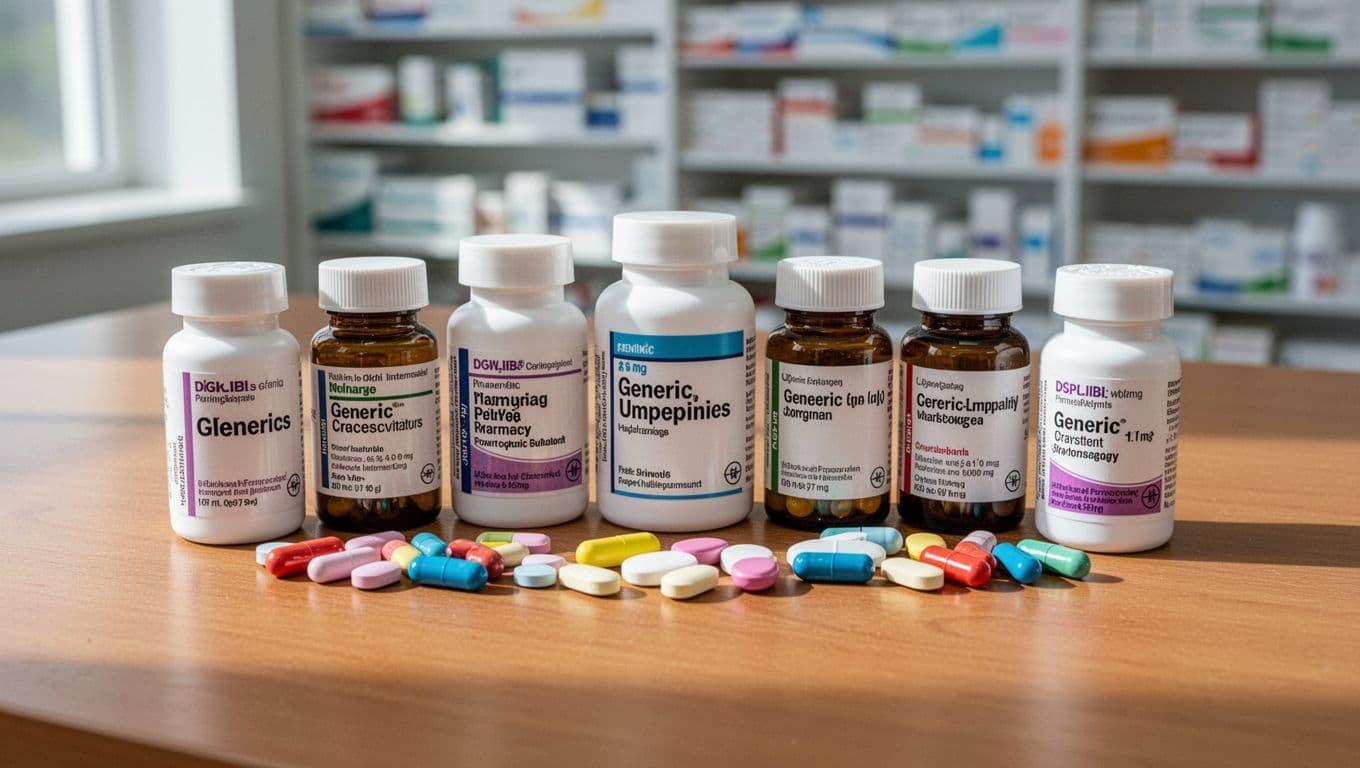 A visual mix of oral medicines that can include both long-standing generics and newer brand treatments, created with AI.
It's tempting to search for "the best cancer medicine" like there's one winner. In real life, the best choice depends on cancer type, stage, and tumor markers. Price matters, but it shouldn't be the only filter.
These snapshots are intentionally general. They show where generics often help, and where brand-name add-ons are common.
Breast cancer: hormone therapies and other long-term meds where generics often help
For hormone receptor-positive breast cancer, long-term hormone therapy is common, and many of these medicines are available as generics. Tamoxifen and aromatase inhibitors such as anastrozole are well-known examples of lower-cost options that may be taken for years.
On the other hand, some add-on therapies remain brand-name, especially newer targeted drugs used in select settings. Testing can guide those decisions. For instance, inherited mutations such as BRCA can affect whether a PARP inhibitor is considered. In some markets and supply channels, olaparib may be available in generic form, which can change affordability for certain patients who qualify.
An example product listing for this category is generic Olaparib 150mg tablets.
Lung, prostate, and colon cancer: the "backbone" drugs are often generic, add-ons may be brand-name
For non-small cell lung cancer, classic chemo backbones like cisplatin or carboplatin are generic in many settings, and pemetrexed also has generic availability in the US market. Then, targeted add-ons depend on mutation testing. If a MET alteration is found, for example, capmatinib is a targeted option that may be brand-only depending on the source and market.
Prostate cancer treatment often includes a mix of approaches. Docetaxel and bicalutamide are common examples of generics used in many pathways. Meanwhile, drugs like abiraterone acetate can be available as a generic option, which can be a meaningful cost shift for long treatment courses.
Colon cancer regimens often rely on long-standing generic backbones such as 5-FU, capecitabine, and oxaliplatin. Some targeted add-ons for specific mutations remain brand-name and can raise costs quickly.
The practical point: many plans combine a generic foundation with brand-only precision tools when testing supports it.
Buying Cancer medicines online safely: a simple checklist before you place an order
 A careful, at-home refill moment that highlights convenience without skipping safety, created with AI.
For many families, ordering Cancer medicines online feels like ordering stability. You can refill at night, avoid extra errands, and line up a 60-day or 90-day supply when appropriate. Still, cancer drugs are high-stakes medicines, so safety has to lead.
A trustworthy online pharmacy should do the basics every time:
- Require a valid prescription and verify it before dispensing
- Offer access to a licensed pharmacist for questions and interaction checks
- Use secure, encrypted checkout and protect personal health information
- Provide clear sourcing, proper packaging, and shipment tracking
- Handle temperature needs when a drug requires special storage
- Review your medication list because cancer drugs can interact with many common meds (including antibiotics, antifungals, and seizure medicines)
Counterfeit and substandard cancer drugs are a real risk when you buy from random websites or sellers. If you want a practical safety checklist from a major drug-information publisher, read Drugs.com's guide to buying medicines safely online.
If you're using a service like WalDrugMart, look for signs of legitimacy that match what careful pharmacies do: prescription verification, pharmacist review, discreet packaging, and clear refill limits (many pharmacies cap prescription shipments at a 90-day supply).
Questions to ask your doctor and pharmacist before switching from brand to generic (or back)
A switch shouldn't feel like a mystery box. Use these questions to make it concrete:
- Is substitution OK for my exact drug and dose? Some cancer meds are fine to swap, others need extra caution.
- Will labs or side effects change? Ask what to watch in the first 2 to 4 weeks.
- Should I stay with one manufacturer each refill? Consistency can help when symptoms pop up.
- What should I do if the pill looks different? Get a plan for verification before you take the first dose.
- What savings options exist if I need the brand? Ask about assistance programs, insurance exceptions, and cash-pay pricing.
Bringing your insurance details (or cash-pay quotes) into the same conversation can prevent last-minute treatment stress.
Conclusion
The "best" choice in generic or brand-name cancer medicine usually isn't about pride or preference. It's about getting the right drug at the right time, and staying on it as safely as possible. When an approved generic medicine exists, it can lower costs without changing the purpose of treatment. When no generic exists, brand-name therapy can be essential, not optional.
Talk with your oncology team before any switch, verify that any online pharmacy is legitimate, and build a refill plan early so you don't run out mid-cycle. Your treatment is hard enough, the refill process shouldn't add fear to it.