
Why Your Blood Sugar Is High Even With Medication: Look at Your Liver

You go to bed feeling "on track." You took your meds, skipped dessert, and still, the morning number stares back like a warning light. If that's you, it may help to remember this, blood sugar isn't only about food. It's also about what your liver releases between meals and overnight. This plain-language look, inspired by the Waldrugmart Health Guide (Public Health Guide), breaks down liver health, insulin resistance, and safe next steps that don't rely on quick fixes.
https://www.youtube.com/watch?v=2_-GiiulAw8
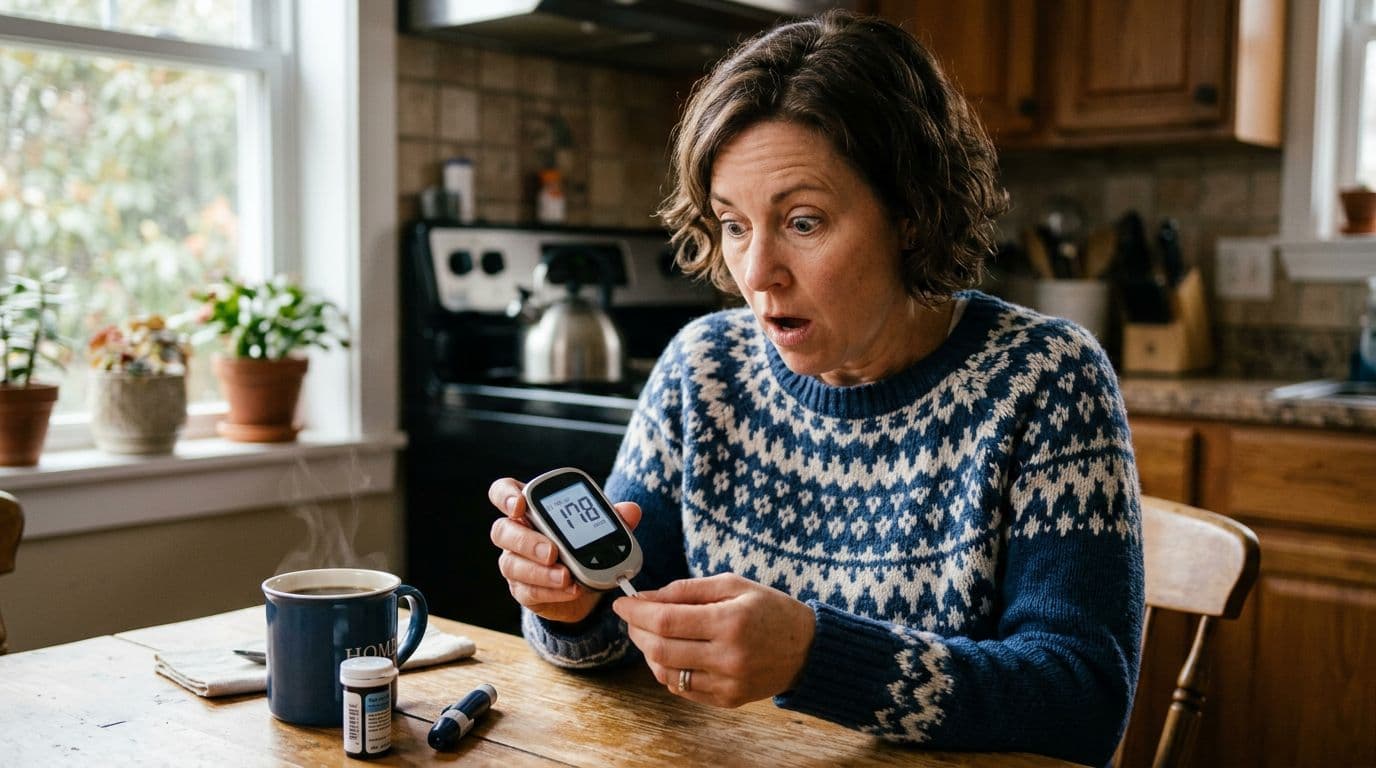 Morning blood sugar checks can feel confusing when the reading is higher than expected, created with AI.
How the liver controls blood sugar when you aren't eating
Think of your liver as a pantry and a savings account in one. After you eat, it stores extra sugar as glycogen. Later, when you haven't eaten for hours, it "withdraws" sugar to keep your brain fueled and your body steady.
Two terms matter here. Glycogenolysis is when the liver breaks glycogen into glucose. Gluconeogenesis is when it makes new glucose from building blocks like amino acids.
When Liver Health is strained, or when insulin's signal gets ignored, that steady drip can turn into a sugar dump.
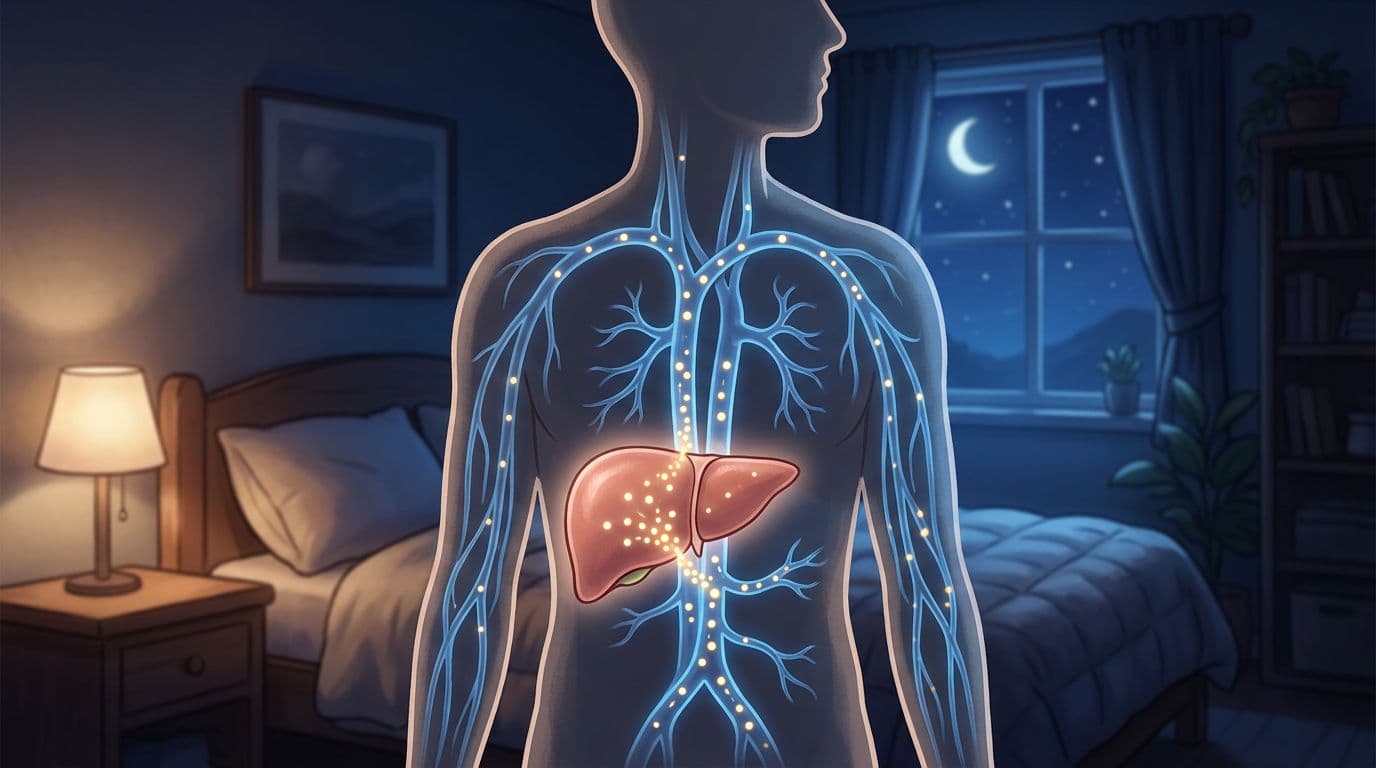 The liver can release glucose while you sleep, which may raise fasting readings, created with AI.
Why the liver releases sugar at night and in the early morning
Your body doesn't sleep "off." It switches to a night shift. Hormones like glucagon help keep glucose available, and stress hormones can nudge the liver to release more.
This is one reason the dawn phenomenon happens. Many people see higher fasting readings even when bedtime numbers looked fine. For example, you go to bed at 120 mg/dL, wake up at 165 mg/dL, and you didn't snack at midnight.
For a simple medical explanation, see Kaiser Permanente's page on the dawn phenomenon and morning highs.
A high fasting number can be a liver output problem, not a willpower problem.
Why blood sugar can stay high even with medication
Many medicines help move sugar out of the blood and into cells. However, if your liver keeps making extra glucose, your meter may still read high, especially in the morning.
Three common drivers show up often:
- Liver insulin resistance (the "stop making sugar" message doesn't land)
- Fatty liver (extra liver fat can worsen insulin resistance)
- Timing or missed doses (busy days happen, and routines break)
Refill gaps can also matter. Using an Online Pharmacy with pharmacist review, or an Online chemist service that flags interactions, can support steadier adherence. This Waldrugmart post, Diabetes Medications in 2026: Metformin, GLP-1s, and Insulin, explains how several options affect liver glucose output.
When insulin resistance hits the liver, it keeps "making sugar" anyway
With hepatic insulin resistance, insulin knocks, but the door stays shut. The liver acts like fuel is scarce, so it keeps producing glucose. Some diabetes medicines target liver output, but results vary by person and the full plan.
Fatty liver can quietly push numbers up
Extra fat stored in the liver can raise fasting glucose by worsening insulin resistance. People sometimes hear about elevated liver enzymes or carry more belly weight, yet many have no symptoms. A clinician can recommend the right tests and interpret them safely.
"Liver Detox" ideas: what helps, what's hype, and what's risky with diabetes
The liver already detoxes. So harsh cleanses, "detox teas," and long fasts can backfire, sometimes raising glucose through gluconeogenesis, or causing dehydration that complicates meds.
Still, "Liver Detox" doesn't have to mean a supplement. It can mean daily choices that lower liver workload and steady glucose. Check with a pharmacist or clinician before supplements, since interactions are real.
Small daily habits that support your liver and your glucose at the same time
- Keep meal timing steady: Big swings can lead to bigger overnight swings.
- Walk 10 to 15 minutes after dinner: It helps muscles use glucose.
- Strength train twice weekly: More muscle improves insulin response over time.
- Cut sugary drinks: Liquid sugar hits fast and doesn't fill you up.
- Protect sleep: Poor sleep can raise stress hormones by morning.
- Track patterns: Compare bedtime and fasting readings to spot overnight rises.
Conclusion
If your numbers stay high even with medication, your liver may be releasing extra glucose, especially overnight. Log your readings, meals, sleep, and med timing for 1 to 2 weeks, then bring that pattern to your prescriber or pharmacist. Most importantly, don't change doses or start detox products without medical advice. A calmer morning number often starts with better overnight data, not harsher rules.